P, R, N, D: When to Use Each

Ethan Sullivan
| 06-11-2026
 · Vehicle Team
Most drivers slide the lever from P to D and never touch anything else.
That works, but each of those four letters has a specific job, and using them at the right moment keeps the car and the transmission happier. Many shifters also carry extra letters, and those have their own uses too.
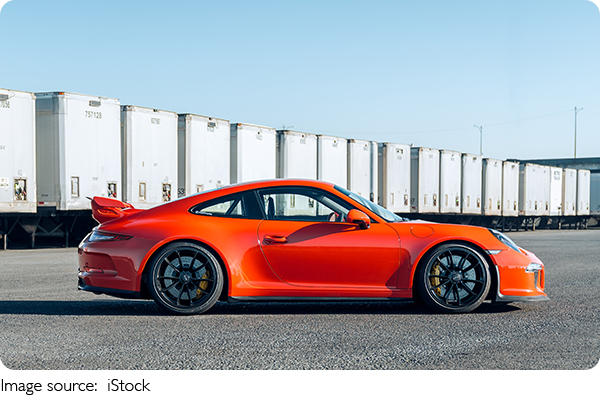
Park holds the car still
P locks the transmission output shaft with a small metal pawl, so the wheels physically can't turn. Use it whenever you leave the car, full stop.
On a steep hill in San Francisco, set the parking brake first, then shift into P, so the pawl isn't the only thing holding the weight.
Do it the other way round and the car settles onto the pawl, which is why some cars give a heavy clunk when you leave P on a slope. Setting the brake first saves wear on a part that costs real money to replace.
Reverse is for backing only
R engages the reverse gear set, and you should only select it when the car is completely stopped. Rolling into R while still moving forward is the classic mistake, and it puts a sharp load on the clutches inside the gearbox.
Wait for the car to settle, then shift. On a sloped driveway, keep your foot on the brake until you feel the gear engage. Many newer cars beep or show a camera view in R, but a quick look over your shoulder still matters.
Neutral disconnects the drive
N cuts the connection between the engine and the wheels, so the car can roll freely. You'll want it at a drive-through car wash that pulls your car along on a track, or if you're being towed a short distance.
Don't coast in N down a long hill to save fuel, though. You lose engine braking, and the transmission pump on many cars relies on the engine turning to stay lubricated. Modern fuel injection also cuts fuel when you lift off in gear, so coasting in N rarely saves anything.
At a red light, staying in D with your foot on the brake is fine. Shifting to N at every stop only adds work for the shifting parts.
Drive handles the rest
D is the default for anything forward-facing. The transmission picks shift points on its own, and many modern units adapt to how you press the pedal.
Light throttle and it shifts early for economy; press harder and it holds gears longer. Leave it there for nearly all of your driving and let the computer do its job.
Low gears and extra letters
Many shifters add L, 2 or 1, which keep the transmission in a lower gear. They help on long, steep descents, where engine braking holds your speed and keeps the brakes from overheating, and when towing a heavy load uphill.
Other cars use S for a sportier mode that holds gears longer, M or paddles for choosing gears yourself, and B on many hybrids and electric cars for stronger regenerative braking, which slows the car while recovering energy.
Small habits that add up
Come to a full stop before moving between P, R, and D, and keep your foot on the brake when you shift out of P, so the car doesn't lurch. None of this is dramatic, but these small moves are what separate a transmission that lasts 200,000 miles from one that starts slipping at 90,000.
Next time you settle into the driver's seat, take two seconds to pick the letter you actually need. If your shifter shows letters not covered here, the owner's manual lists what each one does on your car.